The Refund That Cost Nothing… Until It Happened 10,000 More Times
The order looked completely normal.
A customer placed a delivery order during the Friday dinner rush. Burger, fries, drink. Everything went out on time. The kitchen moved fast. The order was packaged correctly.
Then, an hour later, a refund request came through.
“Missing item.”
The restaurant refunded the order and moved on.
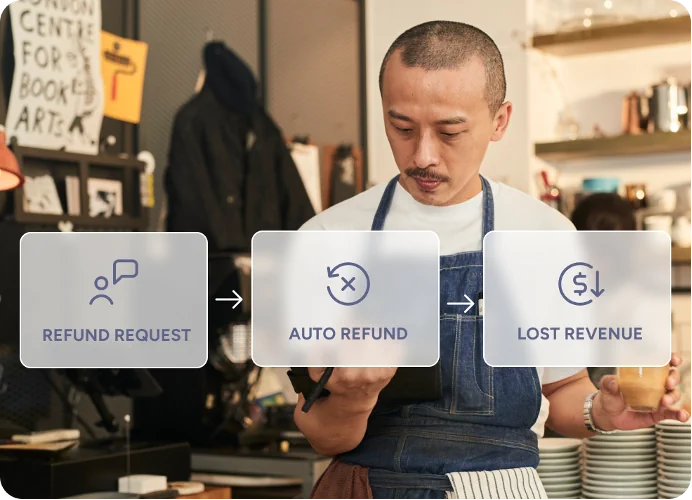
Because what else were they supposed to do?
Nobody on the operations team had time to investigate whether the item was actually missing. Nobody had time to gather proof, dispute the claim, or track down what happened through DoorDash.
And honestly, for a refund that small, it didn’t feel worth the effort anyway.
But then it happened again.
And again.
A customer claimed their food arrived cold. Another said they received the wrong drink. Another requested a full refund for a partially incorrect order.
Each individual refund felt small enough to ignore.
But across hundreds of locations and thousands of delivery orders every week, those “small” refunds quietly turned into a massive amount of lost revenue.
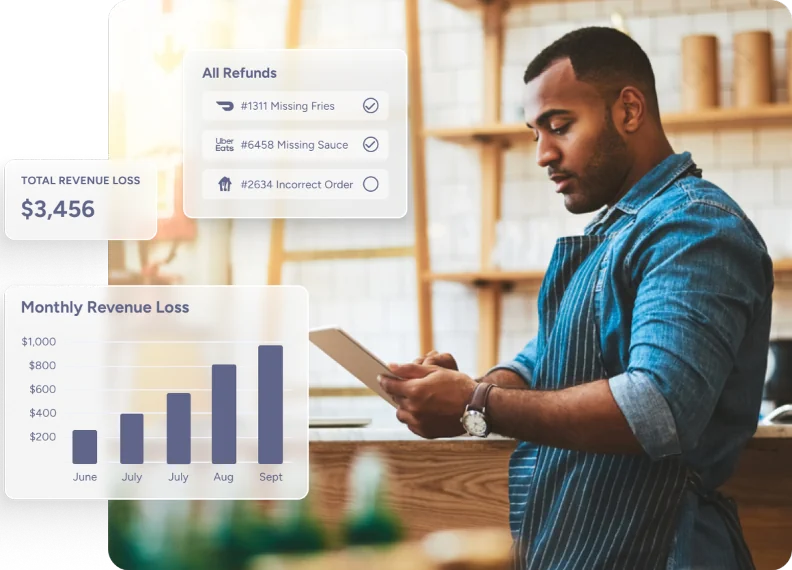
For example, if a restaurant brand processes 50,000–100,000 third-party delivery orders per month with an average ticket size around $25–30, even a 1–2% refund rate could potentially represent tens of thousands of dollars in refunded revenue every month.
And if only a portion of those claims are invalid or recoverable, the amount of potentially recoverable revenue can still become extremely meaningful at scale.
Not because every refund was legitimate.
Because nobody had time to challenge them.
The Hidden Revenue Leak in Third-Party Delivery
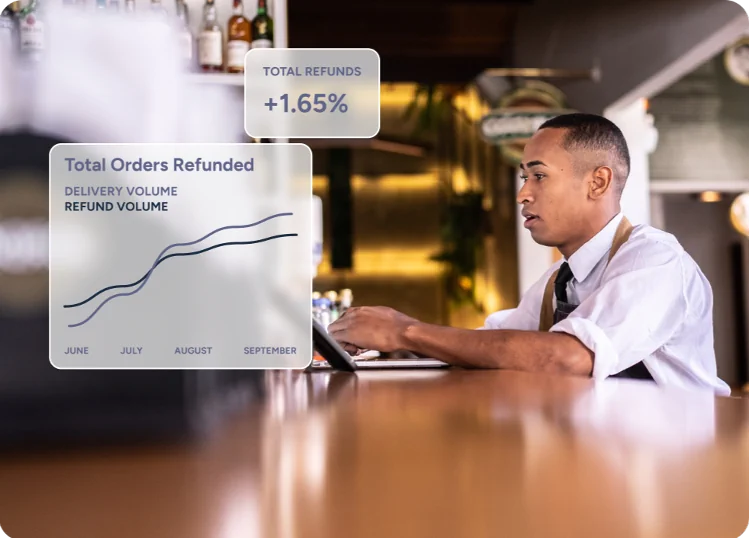
Third-party ordering has become essential for restaurant brands. But as delivery volume grows, so does refund volume.
And most brands are completely underwater trying to manage it.
Operations teams are already balancing staffing, guest experience, food quality, and day-to-day execution. Finance teams can see the losses happening, but manually disputing refund claims across DoorDash, Uber Eats, and Grubhub is almost impossible to scale.
So the refunds pile up.
And over time, restaurant brands begin treating refund loss like a normal cost of doing business.
But it doesn’t have to be.
Most Refunds Aren’t Even Reviewed
That’s the real issue.
Refund disputes usually fall into a strange gap inside restaurant organizations. They matter financially, but handling them manually requires too much time and coordination.
By the time someone notices how much revenue is being lost, the volume is already overwhelming.
So brands typically end up in one of three situations:
- They don’t dispute refunds at all
- They dispute inconsistently
- Or they work with providers that take a large percentage of recovered revenue
Meanwhile, thousands of dollars continue disappearing every month.
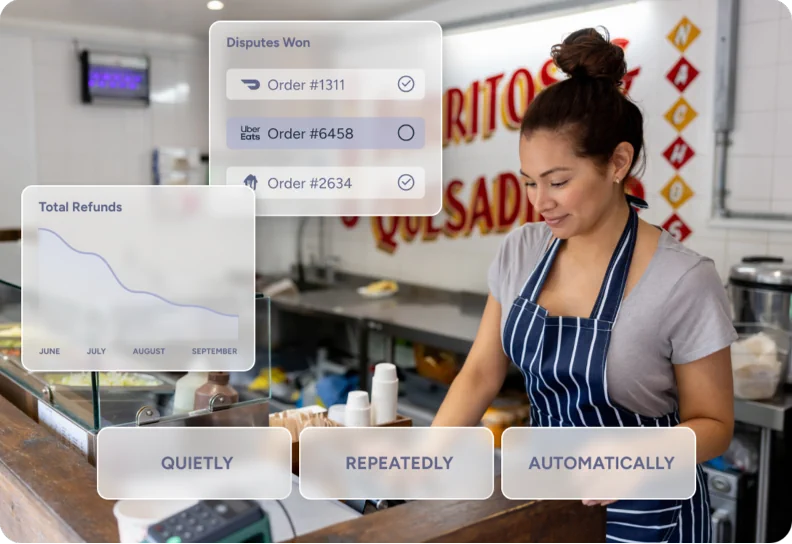
Quietly. Repeatedly. Automatically.
Introducing Refund Dispute Management
Checkmate’s Refund Dispute Management program was built to help restaurant brands recover revenue from unfair third-party refund claims without adding operational work.
We identify invalid claims, submit disputes directly to DoorDash, Uber Eats, and Grubhub, and manage the process end-to-end on behalf of restaurant teams.
No manual workflows.
No extra lift for operations.
No upfront cost.
And unlike many providers, Checkmate only takes 8% of successfully recovered revenue.
If nothing is recovered, brands pay nothing.
Small Refunds Become Big Losses Fast
The restaurant industry has spent years optimizing labor, food costs, pricing, and operations to protect margins. Refund recovery is simply the next opportunity hiding in plain sight. Because while one refund may not feel important, thousands of them absolutely are. And for restaurant brands operating at scale, recovering even a fraction of that lost revenue can make a meaningful financial impact over time.