Most restaurant brands budget kiosks and digital menu boards separately. Different line items, different vendors, different teams, and different conversations.
But set them back to what they actually do, and you land in the same place.
Both are software standing between a guest and an order. One displays the options. One takes the order. And if neither one is being used to understand what actually influences that decision, brands are leaving measurable revenue on the table every single shift.
The Highest-Traffic Surface in Your Restaurant Is Also the Least Tested
Think about how much effort goes into optimizing a restaurant's digital presence. Email campaigns get A/B tested. Mobile apps are refined based on user behavior. Loyalty offers are adjusted based on redemption data. Restaurant brands continuously test, measure, and optimize these digital experiences because they know small improvements can lead to meaningful business results.
Then consider the drive-thru menu board.
It's one of the highest-traffic digital touchpoints in the restaurant. Every drive-thru guest sees it before placing an order. Yet for many brands, it's still treated as a static display rather than a performance channel. Content changes when new promotions launch or seasonal menus roll out, but few operators are asking a more important question:
Is this menu actually influencing guest behavior?
What happens if a combo meal is featured more prominently? Does a different hero image increase premium purchases? Does moving an upsell banner change average check size?
These aren't questions that should be answered with assumptions. They're questions that can be answered through testing.
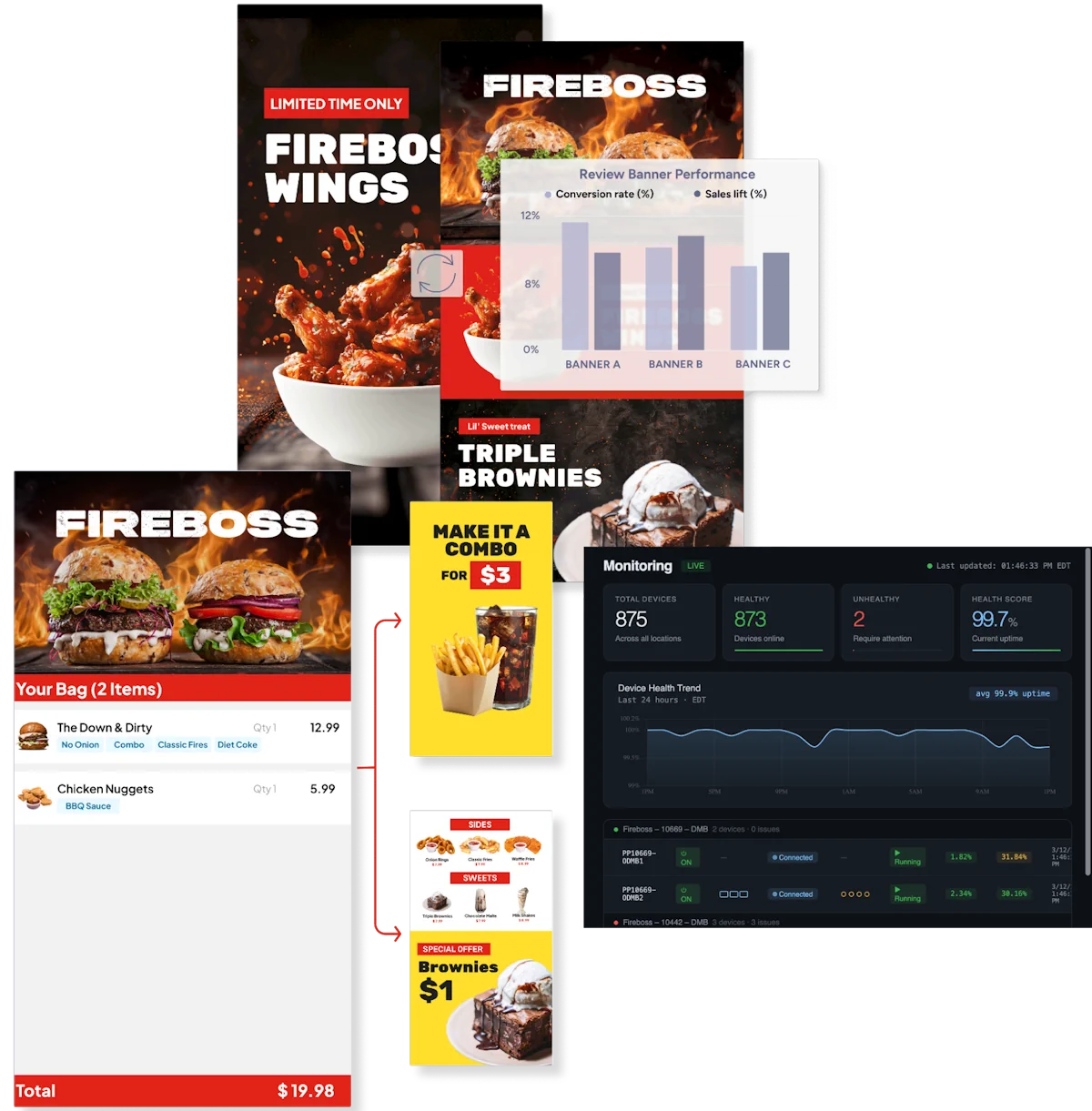
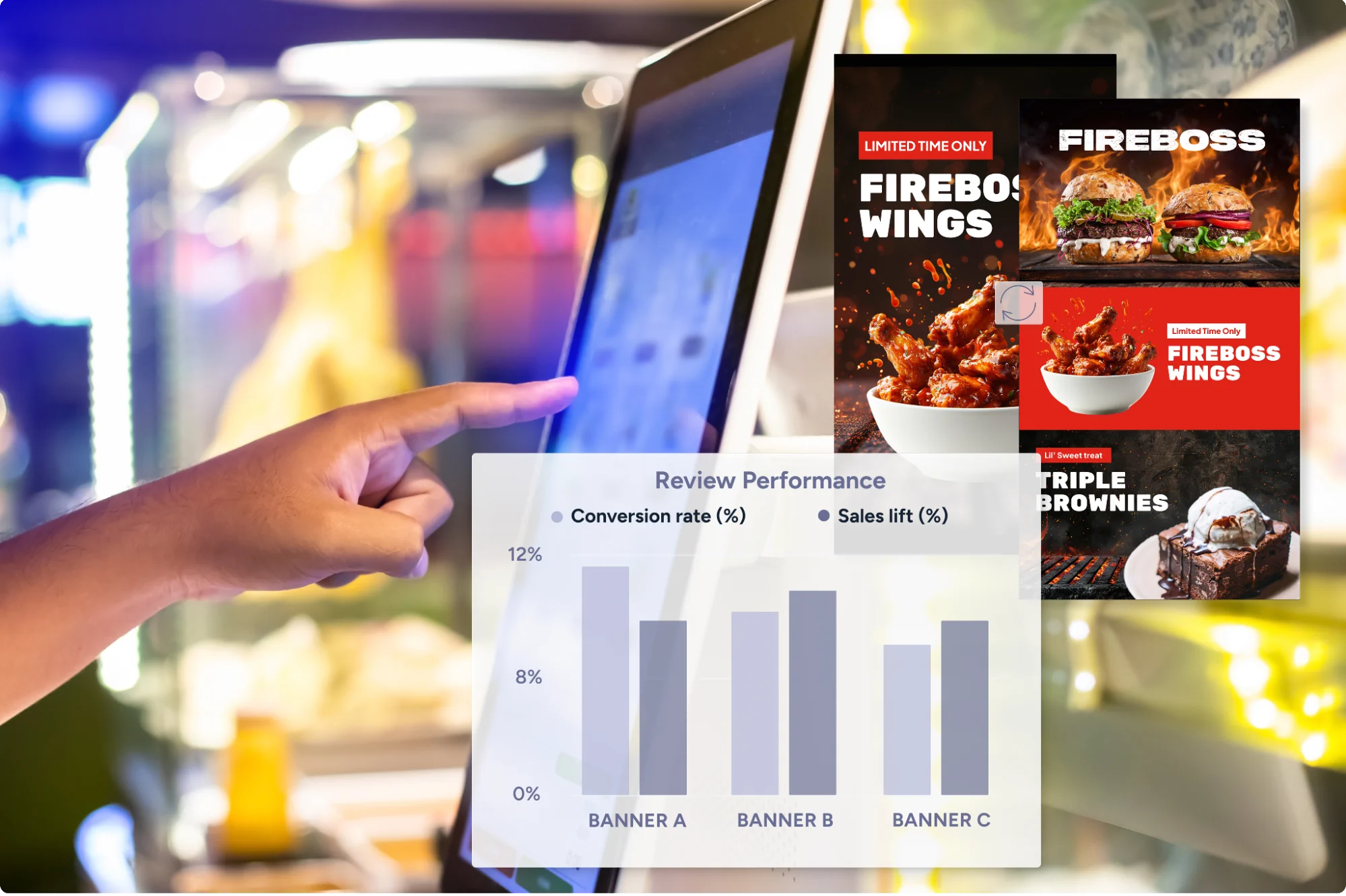
Checkmate's Test & Learn capabilities for Digital Menu Boards were built around this idea. Restaurant brands can test promotions, creative assets, menu layouts, featured products, and messaging against live guest traffic to understand what actually drives results.
One recent drive-thru experiment demonstrated just how impactful those tests can be. A single combo upsell banner was shown to approximately 20% of guests while the remaining traffic received the standard experience.
The outcome? A 6.5% increase in average check size.
Not a projection. Not a simulation. A measured result from real guests placing real orders.
Kiosks Are the Same Conversation With a Different Interface
The conversation around kiosks often focuses on deployment, guest adoption, labor efficiency, and order accuracy. Those are all important metrics, but they're only the beginning.
Once a guest starts ordering, the opportunity shifts from transaction processing to optimization.
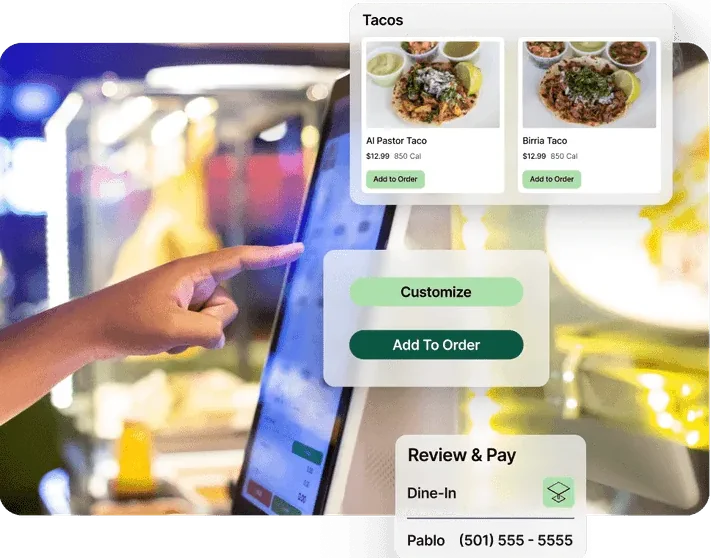
Where should an upsell appear in the ordering flow? Does a combo recommendation perform better before or after guests review their cart? Should add-ons appear on the confirmation screen or earlier in the journey? Does simplifying navigation reduce friction and encourage larger orders?
These are all testable variables.
While the interaction looks different than a drive-thru menu board, the underlying objective is exactly the same: create an ordering experience that helps guests make decisions more confidently while increasing average order value.
The best-performing kiosk experiences aren't necessarily the ones asking guests to buy more. They're the ones asking in the right way, at the right moment.
Different Screens. Same Optimization Strategy.
Digital menu boards influence purchase decisions before an order begins. Kiosks continue shaping those decisions throughout the ordering journey.
Different surfaces. Same math.
Both create opportunities to experiment with layouts, promotions, product placement, imagery, upsell timing, and messaging. Both generate valuable insights into guest behavior. And both become more valuable when they're continuously tested instead of treated as static technology investments.
The restaurants seeing the greatest return from these technologies aren't simply installing more screens. They're building systems that continuously learn from guest interactions and improve over time.
The Real Question Is Simple
If your restaurant has both a kiosk program and a digital menu board program, there's one question worth asking before the next planning cycle:
Which one is actually running a test right now?
Not next quarter. Not after the next menu refresh. Right now.
Is either screen generating new insights about what influences guest behavior at the point of purchase?
If the answer is no, every shift represents another missed opportunity to learn.
The data that could reveal which promotions perform best, which layouts increase average order value, or which upsell strategies resonate most with guests walks out the door with every completed order.
Treating kiosks and digital menu boards as testing platforms isn't a future-state ambition. It's a mindset.
The technology is already in the restaurant. The guests are already interacting with it. The opportunity is already there.
The question is whether your screens are helping your restaurant learn? Or simply displaying the menu?